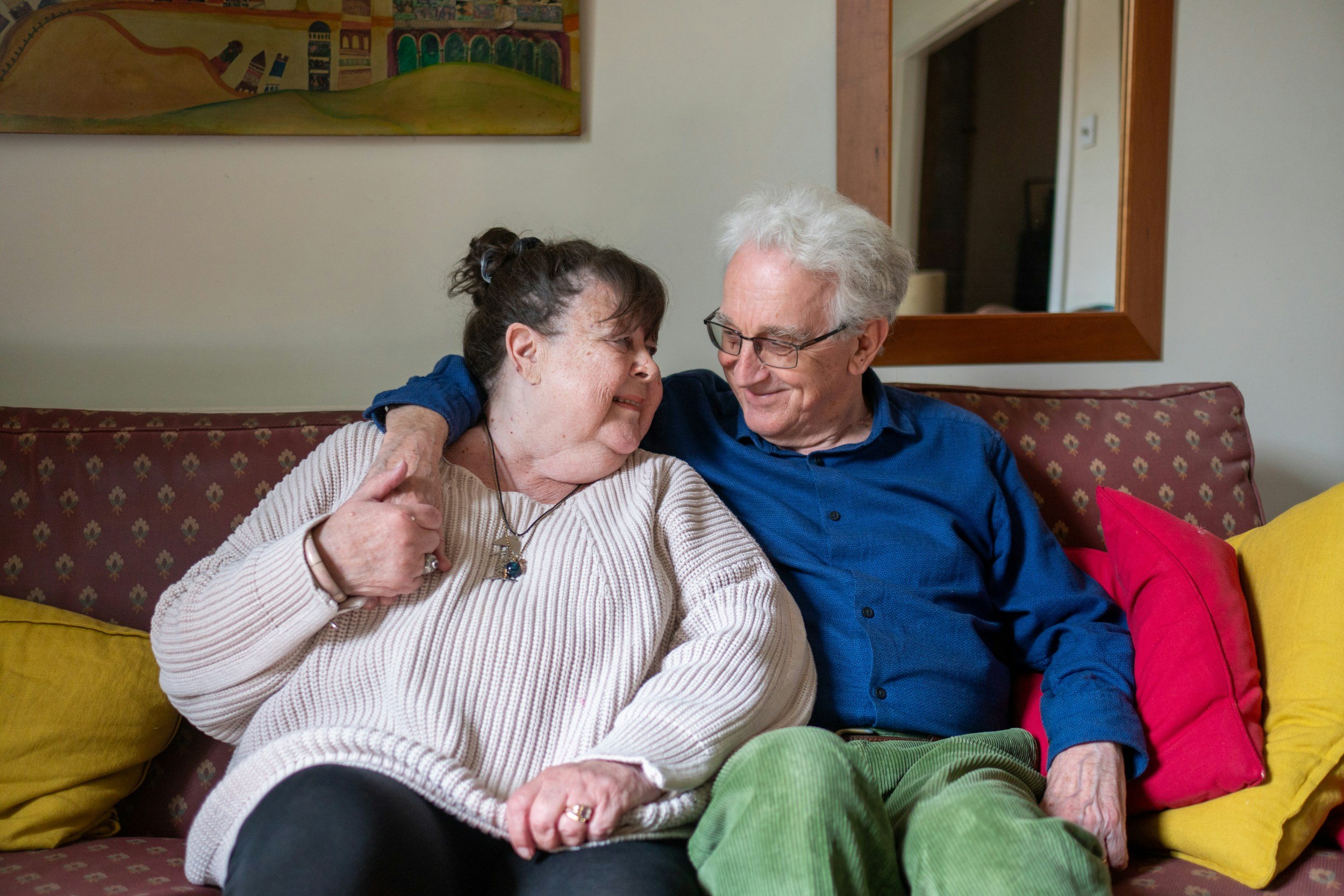
Sex Therapy Atlanta: How Trauma Can Show Up in Marriage Years Later
One of the most confusing experiences for many couples is when a problem appears seemingly out of nowhere.
Everything felt good while dating.
The connection felt easy. Intimacy felt natural. The relationship seemed strong.
Then, years later, something changes.
A partner begins avoiding intimacy. Anxiety appears during physical connection. Old fears surface. Conversations become harder. Emotional distance grows.
At Atlanta Sex Therapy & Coaching, this is one of the most common patterns we see.
The truth is that trauma doesn't always show up immediately. Sometimes it stays quiet for years before resurfacing in a long-term committed relationship.
Understanding why this happens can help couples stop blaming each other and start moving toward healing.
Sex Therapy Atlanta: Why Trauma Often Appears After the Honeymoon Phase
In the early stages of a relationship, our brains are flooded with chemicals that create feelings of excitement, connection, and euphoria. Many people describe this stage as feeling like they're seeing the world through rose-colored glasses.
During this phase:
Problems feel smaller
Differences feel manageable
Desire often feels effortless
Emotional wounds may seem dormant
That doesn't mean trauma has disappeared.
It simply means that the relationship environment may temporarily make those wounds less noticeable.
As the relationship becomes more established, those intense feelings naturally settle. The relationship becomes less about excitement and more about real-life partnership.
And that's often when unresolved trauma begins to emerge.
The Difference Between Dating and Long-Term Commitment
One of the most important insights from this discussion is that dating and long-term commitment are not the same experience.
In a committed relationship, your partner becomes more than a romantic interest.
They become family.
And when that happens, deeper emotional patterns often emerge.
Experiences from childhood, family dynamics, religious upbringing, sexual trauma, and past relationships can all become activated in ways they never were during dating.
This is why comparing your marriage to your dating years can be misleading.
Many couples say:
"This never happened when we were dating."
Of course it didn't.
You were in a completely different stage of the relationship.
How Trauma Can Affect Intimacy
For couples struggling with intimacy, trauma can show up in many different ways.
Some signs include:
Physical Avoidance
A partner may:
Avoid sexual contact
Pull away from touch
Stop initiating intimacy
Create distance around physical affection
Emotional Disconnection
Trauma can cause:
Difficulty trusting
Emotional withdrawal
Fear of vulnerability
Feeling disconnected during intimate moments
Anxiety and Panic
Some individuals experience:
Anxiety before intimacy
Panic during sexual experiences
Hypervigilance
Fear of being hurt
Dissociation
Others may feel emotionally absent or disconnected during sexual experiences, even if they are physically present.
These responses are often protective mechanisms, not rejections of a partner.
Help for Low Desire in Marriage: Trauma May Be Part of the Story
Many couples come to therapy believing they have a desire problem.
Sometimes they do.
But often, what looks like low desire is actually unresolved trauma.
Trauma can impact:
Physical comfort
Emotional safety
Body awareness
Trust
Vulnerability
Sexual responsiveness
This is why help for low desire in marriage often requires looking beyond libido alone.
The question isn't always:
"Why don't I want sex?"
Sometimes the more helpful question is:
"What happened that taught my body intimacy wasn't safe?"
Marriage Counseling and Sex Therapy: Supporting Both Partners
One thing that often gets overlooked is that trauma affects both people in the relationship.
The partner carrying the trauma may feel:
Ashamed
Frustrated
Confused
Broken
Afraid
Meanwhile, the other partner may feel:
Rejected
Unwanted
Lonely
Helpless
Confused
Both experiences deserve compassion.
One of the most important things we do in marriage counseling and sex therapy is help couples hold both truths at the same time.
The goal is not to choose one person's pain over the other's.
The goal is to create enough emotional safety for both people to be seen.
One of the Biggest Mistakes Couples Make
Many couples wait too long to talk about what's happening.
Sometimes they stop discussing intimacy entirely.
Months pass.
Then years.
Partners become afraid of saying the wrong thing. They stop initiating conversations. They avoid difficult topics because they're trying to avoid causing pain.
Unfortunately, silence rarely heals trauma.
Healing usually requires:
Honest conversations
Emotional safety
Curiosity
Patience
Support
And sometimes, the presence of a therapist helps create the safety needed to finally have those conversations.
Healing Happens Through Emotional Safety
If there's one concept I want couples to understand, it's this:
Trauma healing rarely happens through pressure.
It happens through safety.
That safety looks like:
Listening Without Judgment
When your partner shares their experience, your job is not to fix it immediately.
Your first job is to listen.
Believing Their Experience
Even if you don't fully understand it, trust that their experience is real.
Slowing Down
Healing is not a race.
Sometimes progress happens through tiny moments of trust.
Building New Experiences
Positive, safe experiences gradually help the nervous system learn that intimacy can feel different than it did before.
The Power of Post-Traumatic Growth
One of the most hopeful ideas discussed was the concept of post-traumatic growth.
This does not mean trauma is good.
It does not mean anyone should be grateful for painful experiences.
What it means is that healing is possible.
People can become stronger, more self-aware, and more connected after doing the difficult work of healing.
Many couples discover that working through trauma together helps them develop:
Greater emotional intimacy
Better communication
Deeper empathy
Stronger trust
More authentic connection
Sometimes the relationship becomes stronger not because trauma happened—but because healing happened.
You're Never Too Old to Heal
One of the most powerful reminders from this conversation was simple:
There is no age limit on healing.
Whether you're:
30
50
70
Or beyond
Healing remains possible.
The goal is not perfection.
The goal is freedom.
Freedom from carrying wounds alone.
Freedom from shame.
Freedom to experience connection in a new way.
Internal Link Suggestions
Link to "Understanding Desire Discrepancy in Marriage" (anchor: help for low desire in marriage)
Link to "Rebuilding Emotional Intimacy After Trauma" (anchor: couples struggling with intimacy)
Link to "What to Expect from Marriage Counseling and Sex Therapy" (anchor: marriage counseling and sex therapy)
FAQ: Sex Therapy Atlanta
1. Can trauma affect a relationship years after it happened?
Yes. Many people experience trauma responses long after the original event, especially when they enter a deeply committed relationship where vulnerability increases.
2. Can a marriage survive trauma-related intimacy issues?
Absolutely. With emotional safety, communication, and support, many couples learn how to heal and reconnect.
3. What if my partner's trauma is affecting our sex life?
Start with compassion and curiosity. Therapy can help both partners understand what's happening and create a path toward healing together.
Conclusion: Sex Therapy Atlanta & Your Next Step
If trauma has begun affecting your relationship, please know this:
You are not broken.
Your relationship is not doomed.
And you are not alone.
At Atlanta Sex Therapy & Coaching, we help individuals and couples understand how trauma impacts intimacy, connection, and desire—and how healing can happen together.
The goal isn't simply to get back to where you were.
It's to create something stronger, safer, and more connected than before.
👉 Book a free consultation now
Let's help you and your partner move from confusion and disconnection toward healing, understanding, and lasting intimacy.